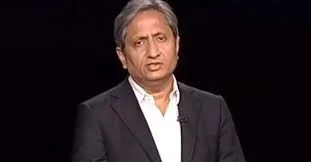
"To all Afghan & Taliban sympathizers from KP crying over Afghan students, watch this video and then decide Pakistan expelled students lacking valid visas, but every Afghan student should be expelled from Pakistani universities. National security comes first! https://t.co/4FaDkPohkl"
In recent days, tensions surrounding Afghan students enrolled in Pakistani universities have escalated, culminating in the expulsion of several individuals lacking valid visas. This decision is perceived as part of a broader strategy to prioritize national security amidst ongoing regional complexities.
Pakistan has long been a host to Afghan refugees and students, representing a commitment to educational and humanitarian ideals. However, the recent security concerns stemming from overlapping political and insurgent threats in the region have led to a reevaluation of this stance. The federal government's decision to expel students without legal documentation reflects apprehensions regarding the misuse of educational access as a means for individuals to remain in the country without appropriate oversight.
This move raises significant questions about the balance between international education commitments and the imperative of national security. Supporters of the expulsion emphasize that while compassion for Afghan students is important, ensuring the safety and sovereignty of Pakistan remains paramount. Conversely, critics argue that such actions could further strain relationships with Afghanistan and diminish educational opportunities for deserving students.
The international community has been watching closely as Pakistan navigates these complex dynamics. Several human rights organizations have voiced concerns regarding the expulsion of Afghan students, urging Pakistan to seek alternatives that support both security and humanitarian needs. Diplomatic engagements may become necessary as Afghanistans governmental representatives respond, emphasizing the rights of their citizens while seeking collaborative solutions that respect Pakistans security protocols.
As Pakistan moves forward, it will be crucial to find a middle ground that upholds its security framework while remaining committed to educational exchange. Establishing a transparent process for Afghan students to obtain valid visas and maintaining open channels for dialogue could address many of the current tensions. Encouragingly, Pakistan has the potential to redefine its policies in a manner that not only secures its national interests but also exemplifies its role as a leader in advocating for the educational rights of Afghan youth. This balance will be essential in fostering a stable and cooperative environment in the region in the years to come.